How Proper Dust Extraction System Stops Respiratory Diseases
In many industrial and manufacturing environments, airborne dust is more than just an inconvenience, it’s a serious health hazard.
Long-term exposure to dust particles, especially fine and hazardous dust, can result in respiratory diseases that compromise worker health and productivity.
Installing an efficient dust extraction system is one of the most effective ways to minimise these risks. At Austedan Fabrications, we specialise in designing and installing custom dust extraction systems tailored to the unique needs of industrial workplaces across Australia.
The Hidden Dangers of Industrial Dust
Dust generated from processes such as welding, grinding, cutting, and fabrication often contains harmful substances including silica, metal particles, and chemical residues. When inhaled, these fine dust particles can penetrate deep into the lungs, leading to serious health conditions, such as:
1. Occupational Asthma
Frequent exposure to dust from metals and other industrial processes can trigger or worsen asthma, causing shortness of breath, wheezing, and chest tightness.
2. Chronic Obstructive Pulmonary Disease (COPD)
Prolonged dust exposure can damage the airways, leading to chronic bronchitis or emphysema, both of which are forms of COPD. These conditions can be irreversible and severely impact the quality of life.
3. Silicosis
This incurable lung disease is caused by inhaling crystalline silica dust, commonly found in construction, mining, and metal fabrication industries. Silicosis scars the lungs and can lead to severe respiratory failure.
4. Lung Cancer
According to Safe Work Australia, workers exposed to respirable crystalline silica, welding fumes, and certain dust types are at an increased risk of developing lung cancer over time. (Read more here).
How a Proper Dust Extraction System Protects Workers
A professionally designed dust extraction system plays a crucial role in safeguarding workers from respiratory diseases. Here’s how:
1. Removes Harmful Particles at the Source
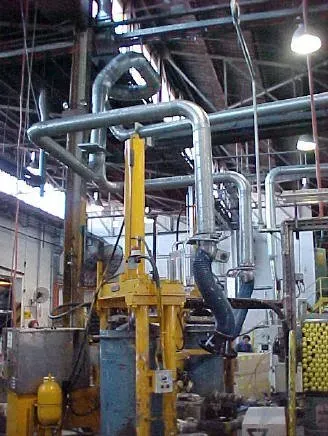
Local Exhaust Ventilation (LEV) systems, such as those installed by Austedan, capture dust directly at the point of generation before it can disperse into the wider work area. This significantly reduces the volume of airborne particles.
2. Improves Indoor Air Quality
By continuously filtering and removing dust from the air, these systems help maintain optimal indoor air quality (IAQ), reducing respiratory irritation and promoting long-term lung health.
3. Ensures Compliance with Health & Safety Standards
Australian regulations, including the Work Health and Safety (WHS) Act and guidelines from Safe Work Australia, require businesses to implement effective control measures for dust exposure. An efficient dust extraction system is a key component in meeting these legal obligations.
4. Reduces Employee Sick Days & Boosts Productivity
Healthier workers mean fewer sick days and a safer, more productive work environment. Long-term savings on healthcare costs and compensation claims also add to the value of investing in the right dust control system.
Austedan Fabrications: Your Dust Extraction Experts
At Austedan Fabrications, we’ve been protecting Australian businesses and workers for over 24 years by delivering custom dust extraction systems tailored to each client’s operations. Our solutions include:
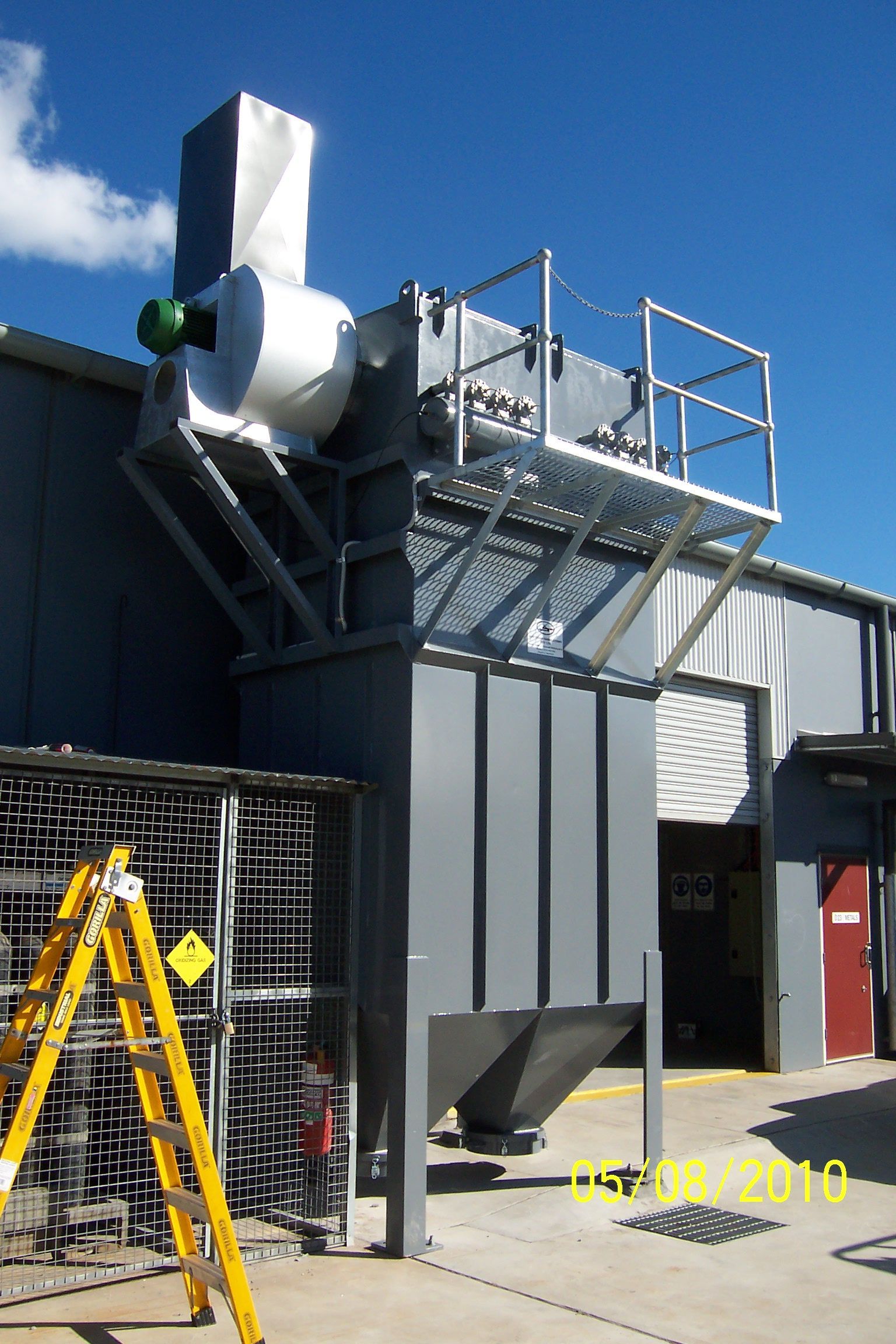
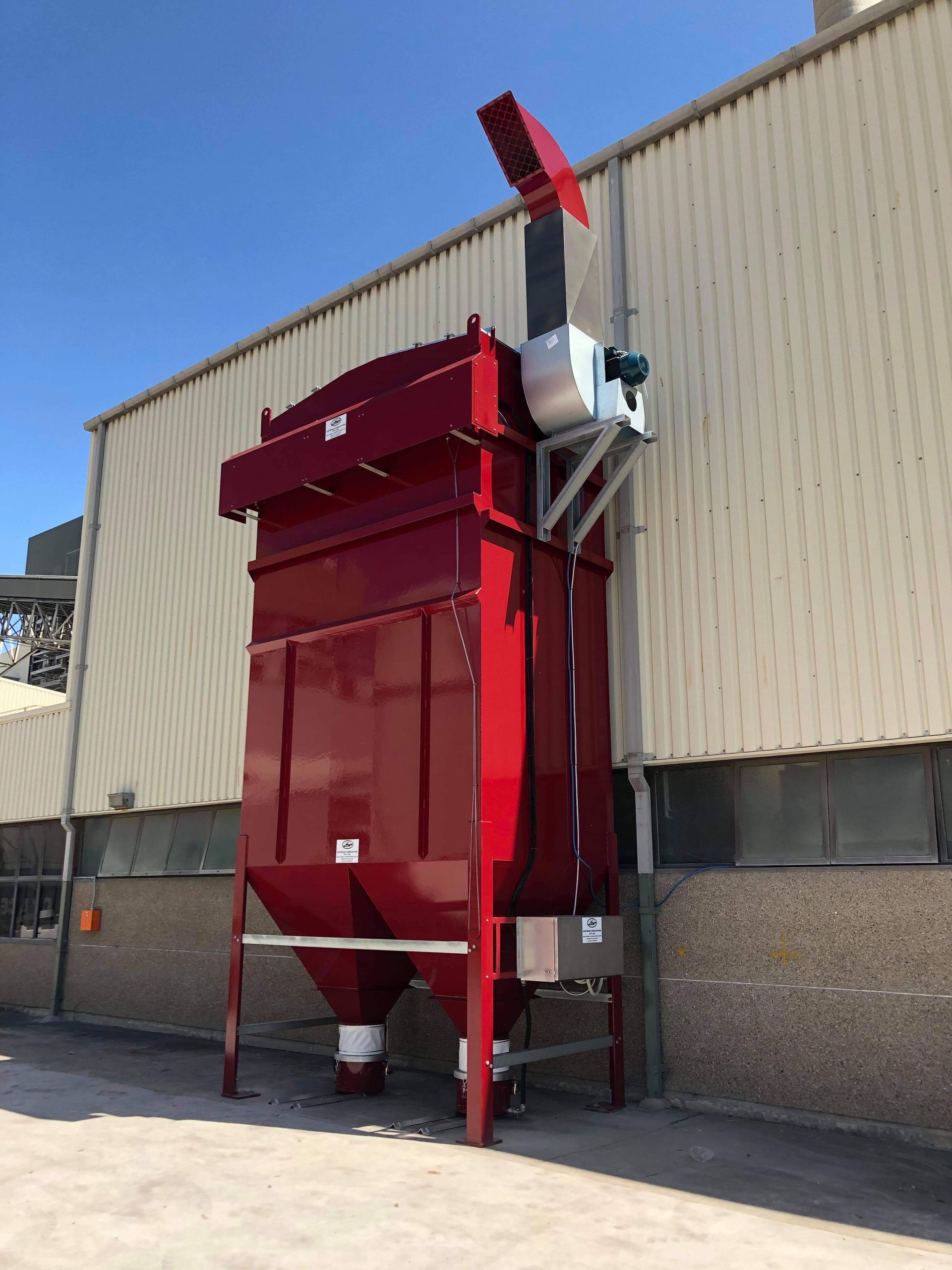
- Reverse Pulse Dust Collection Systems
- Custom ductwork and fans
- High-pressure vacuum systems
- Fully compliant installations that meet or exceed Work Safe Australia requirements
Contact Austedan Fabrications at 02 4953 7112 or visit
www.austedan.com.au to discuss a custom solution for your business.