Welding Fume Extractors Explained: Safe, Compliant Welding
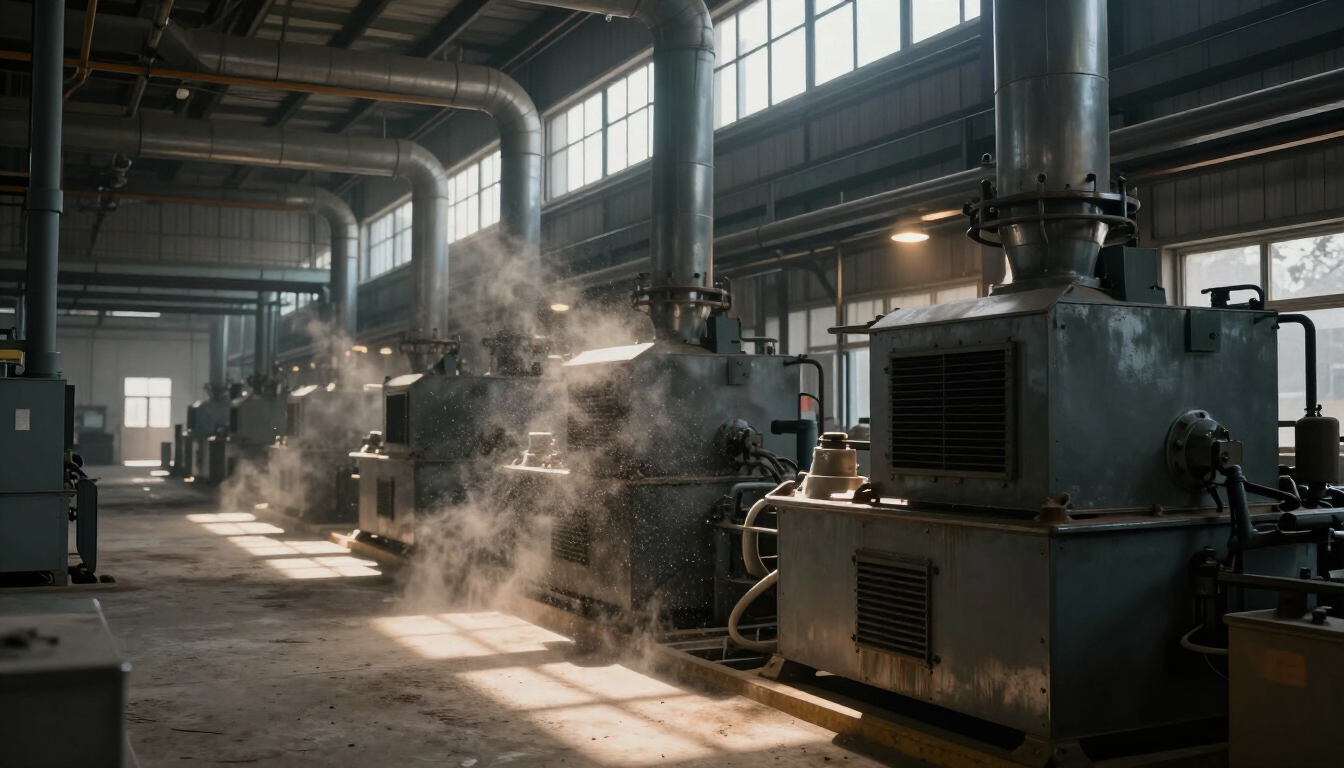
Welding fume extractors are essential tools in any welding environment, ensuring the safety and health of workers. Welding produces hazardous fumes that contain toxic metals and gases, posing severe health risks if inhaled. Lets delves into the importance of welding fume extractors, how they work, and why they are indispensable for maintaining a safe and compliant workspace.

What are Welding Fume Extractors?
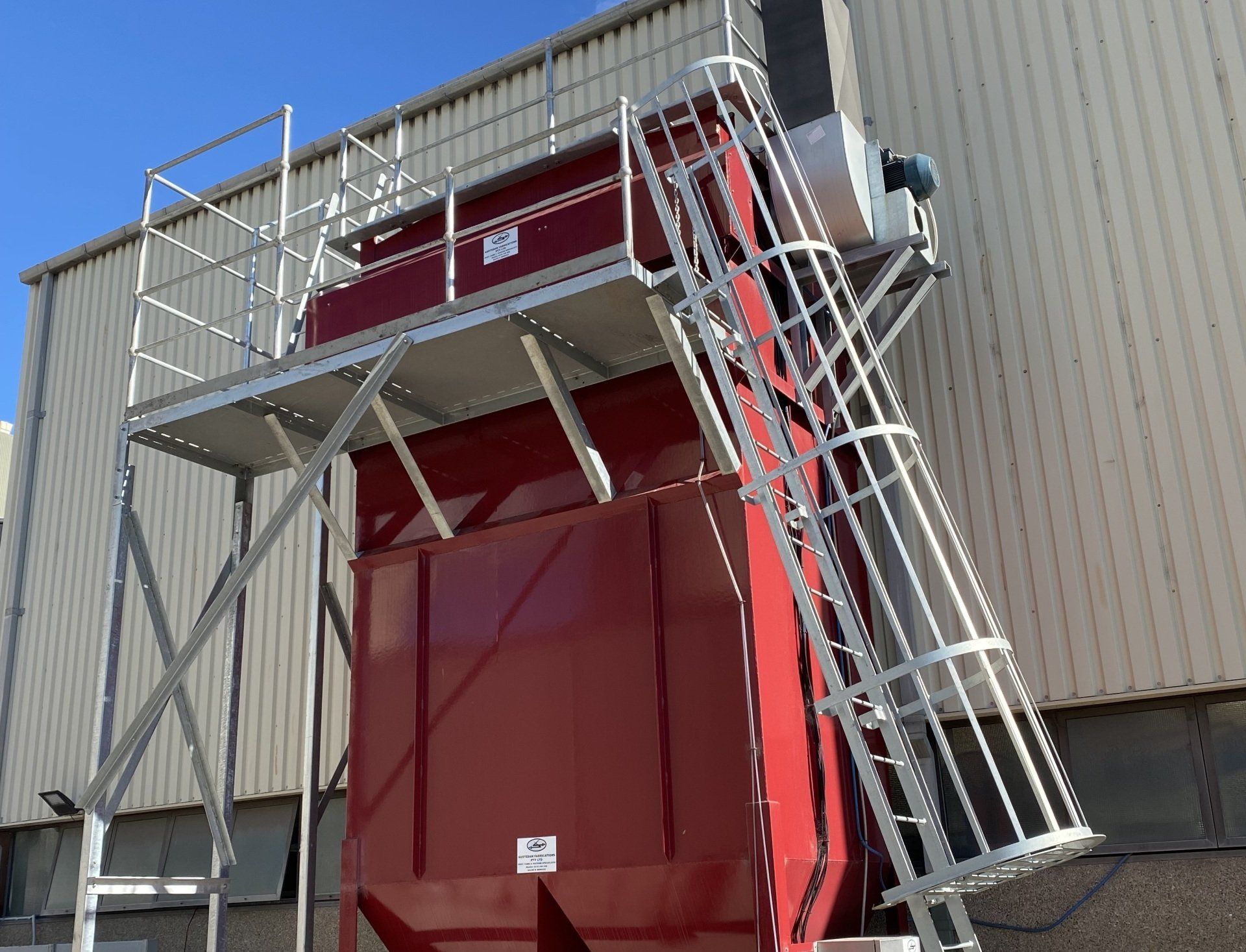
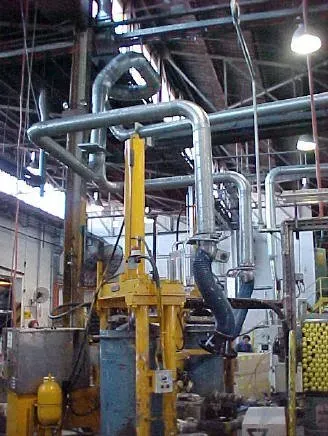
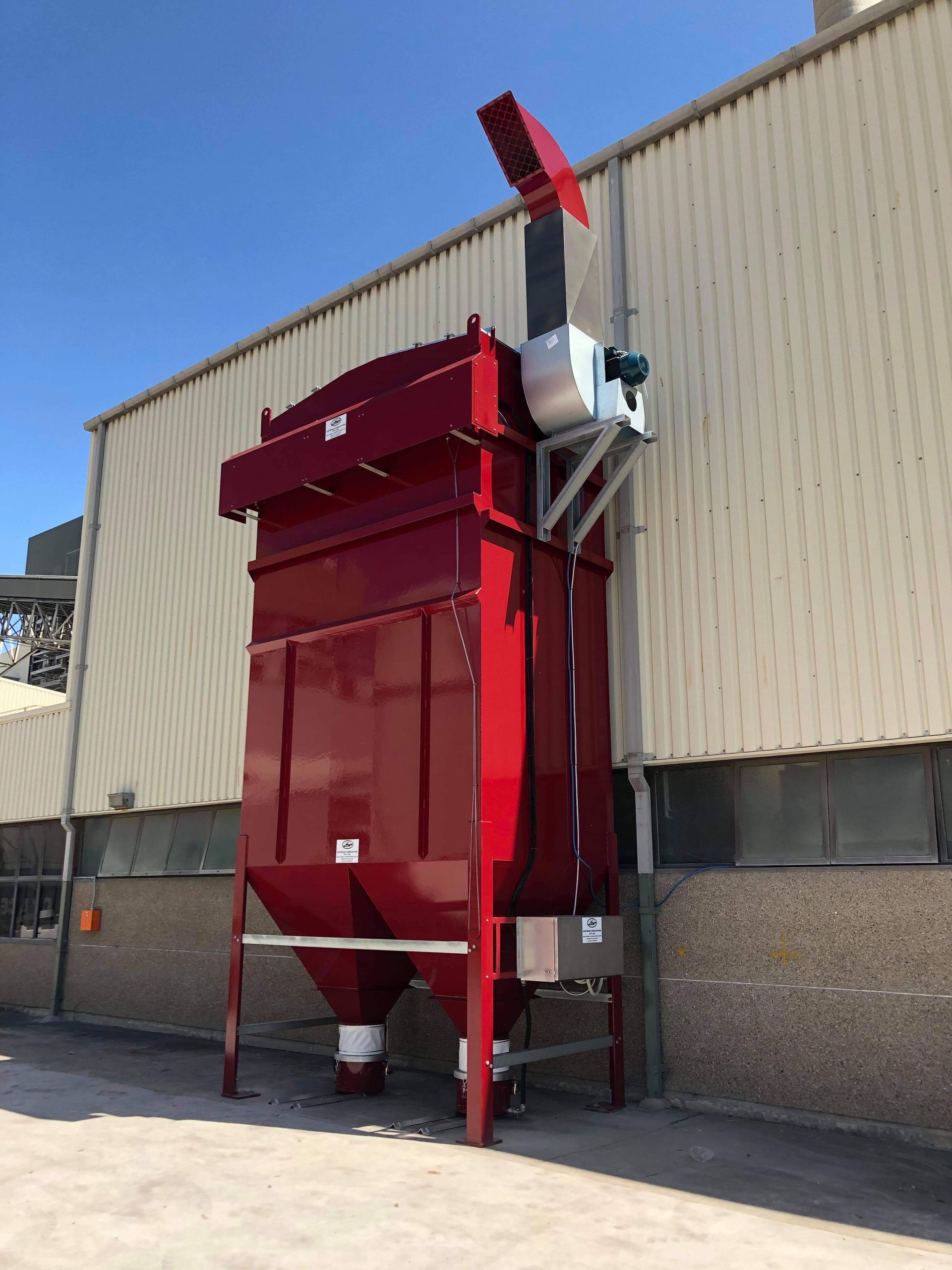
Welding fume extractors are devices designed to capture and filter hazardous fumes generated during welding processes. These extractors use fans and filters to draw in fumes, trapping harmful particles and gases before releasing clean air back into the environment. By efficiently removing airborne contaminants, these devices help create a safer workspace for welders and other personnel.
Why Welding Fume Extractors are Essential for Safety
The health risks associated with welding fumes are well-documented, ranging from short-term respiratory irritation to long-term conditions such as lung cancer and chronic respiratory diseases. Welding fume extractors play a crucial role in minimizing exposure to these harmful substances. Additionally, they help ensure compliance with workplace safety regulations, such as those set by OSHA and Safe Work Australia, which mandate measures to control exposure to welding fumes.
Key Benefits of Using Welding Fume Extractors
- Improved Air Quality: Welding fume extractors significantly enhance the air quality in workshops and job sites, making the environment safer and more comfortable.
- Health Protection: By reducing the inhalation of toxic fumes, extractors help protect workers from severe health issues, including respiratory and neurological damage.
- Regulatory Compliance: Using fume extractors helps businesses comply with safety regulations, reducing the risk of fines and enhancing their reputation for workplace safety.
- Increased Productivity: A cleaner work environment boosts worker morale and productivity by reducing the likelihood of illness-related absences.
Types of
Welding Fume Extractors
- Portable Extractors: Compact and mobile, these units are ideal for smaller workshops or on-site jobs where mobility is essential.
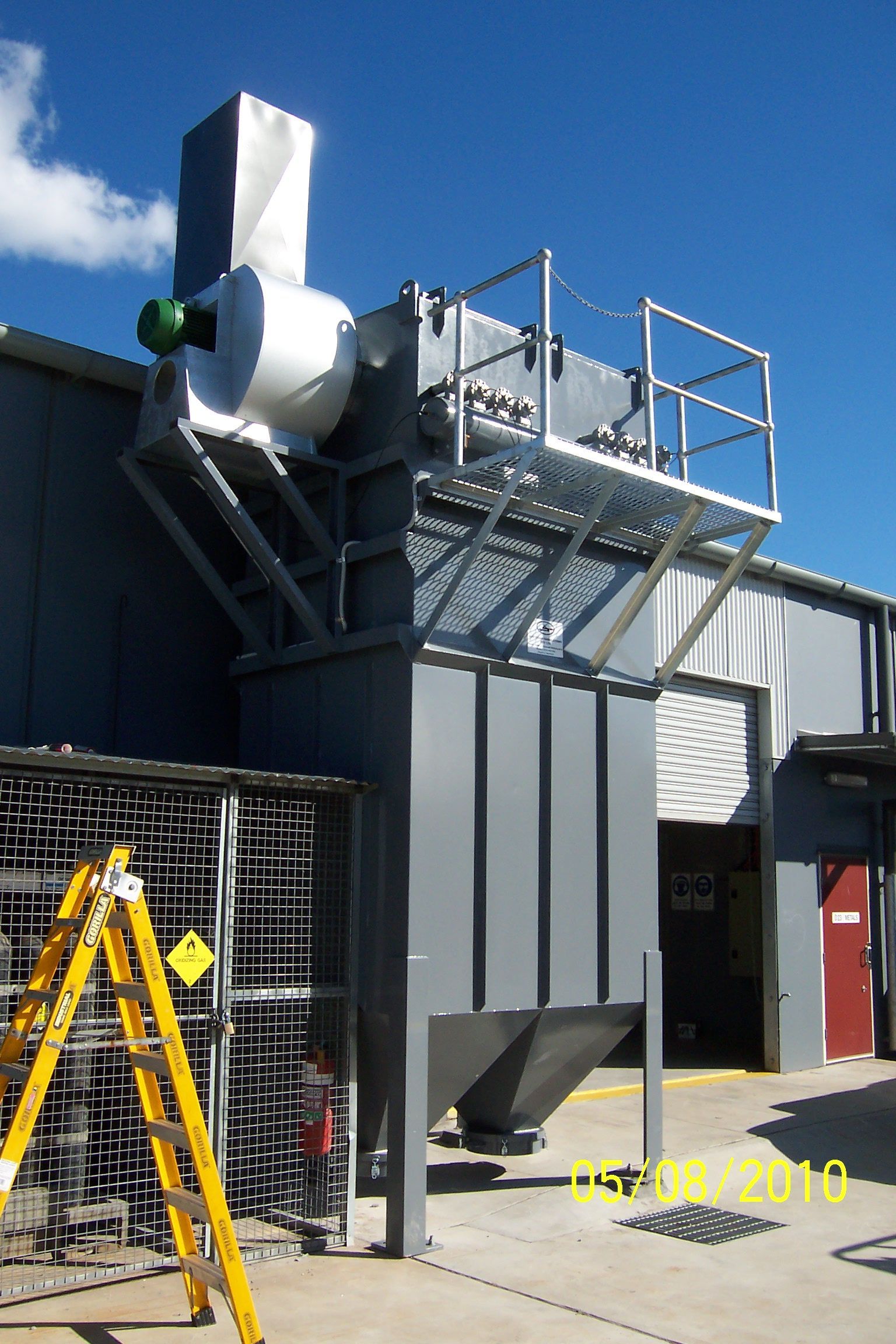
- Stationary Extractors: Fixed units that provide robust fume extraction for larger or more industrial applications.
- On-Gun Extraction Systems: These systems integrate fume extraction directly at the welding torch, capturing fumes at the source.
- Hooded Extractors: Overhead hoods capture fumes as they rise, suitable for fixed welding stations.
How to Choose the Right Welding Fume Extractor for Your Needs
When selecting a welding fume extractor, consider factors such as the size of your workspace, the type of welding performed, and mobility requirements. Portable units may be suitable for smaller or temporary setups, while larger, stationary extractors might be necessary for continuous or heavy-duty operations. Additionally, assess the extractor’s capacity, filter type, and ease of maintenance to ensure it meets your specific needs.
Installation and Maintenance Tips
Proper installation and regular maintenance are crucial for the efficient operation of welding fume extractors. Ensure the extractor is correctly positioned to capture fumes effectively, and regularly inspect and replace filters according to the manufacturer’s guidelines. Routine maintenance not only prolongs the life of the extractor but also ensures it continues to provide optimal protection.
Cost Considerations and ROI
While the initial investment in welding fume extractors can be significant, the long-term benefits often outweigh the costs. A safe working environment reduces healthcare expenses, minimises liability risks, and improves overall productivity. The return on investment is evident through improved worker health, regulatory compliance, and the avoidance of costly fines.
Common Myths about Welding Fume Extractors
Myth: Extractors are too expensive.
Reality: The cost is an investment in safety, with significant returns in health benefits and compliance.
Myth: Fume extractors are unnecessary for small shops.
Reality: Even small operations produce hazardous fumes that require proper extraction to protect workers.
Myth: All fume extractors work the same.
Reality: Different extractors offer various filtration efficiencies and are designed for specific applications. Selecting the right one is crucial.
To learn more, visit our page on welding fume extraction system.